
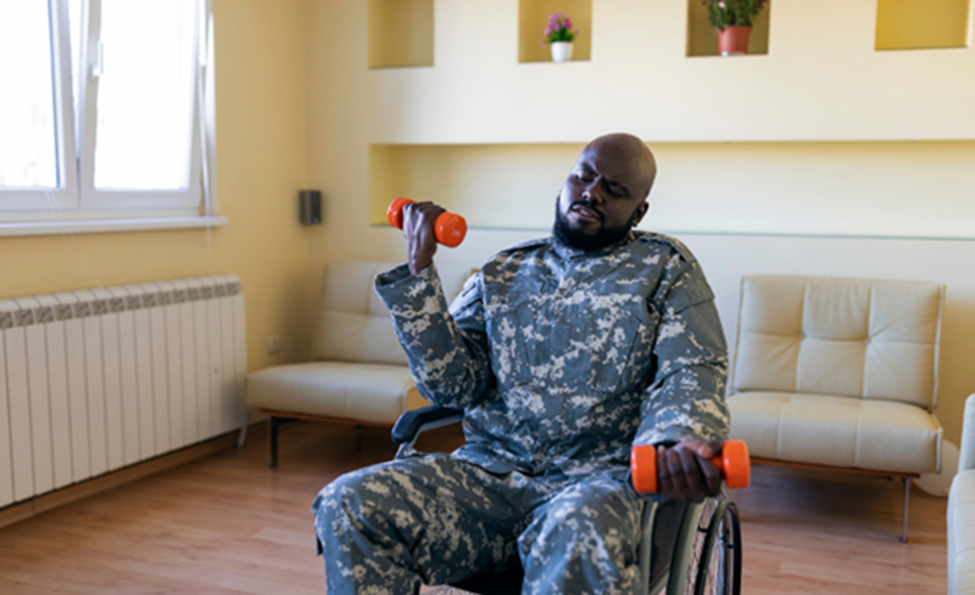
Many veterans are trained to push through discomfort, “handle it,” and avoid being a burden. That mindset is admirable-but it can also hide real support needs until something forces the issue (a fall, an ER visit, a caregiver burnout moment, or a sudden decline). The truth is: needing help at home isn’t weakness. It’s a practical way to stay independent longer.
The U.S. Department of Veterans Affairs offers several Home and Community Based Services-like homemaker/home health aide support, skilled home health care, home-based primary care, respite care, adult day health care, telehealth, palliative care, and hospice-designed to help eligible veterans remain safely at home.
Here are seven “hidden” care needs veterans often downplay-and the kinds of VA support that may help.
1) “I’m fine” with bathing… until it becomes a fall risk
One of the most common hidden needs is personal care. A veteran may insist they can shower and dress independently, but the reality can be risky: slippery surfaces, fatigue, limited range of motion, unsteady balance, or difficulty stepping into a tub.
VA’s Homemaker and Home Health Aide program is specifically designed to help with daily activities and self-care, and it can be part of an alternative to nursing home care.
What families can do:
- Watch for “workarounds” (skipping showers, sponge bathing only, wearing the same clothes repeatedly).
- Ask about fear of falling-many people won’t volunteer it.
2) Medication routines that look “managed” but aren’t consistent
After years of self-reliance, many veterans will say they’ve got meds handled-even when schedules get complicated. Missed doses, doubled doses, and confusing instructions can happen quietly, especially if pain, sleep disruption, or memory changes are in play.
In-home support can include reminders and routine reinforcement, and VA also offers broader in-home care services and coordination options through its Home and Community Based Services umbrella.
What to look for:
- Pill bottles piling up, early refills, or “I’m not sure if I took it.”
- Increased dizziness, confusion, or fatigue that may track with medication timing.
3) Meal prep and nutrition slipping (without obvious “starvation” signs)
A veteran might still be eating, but not well: skipping meals, relying on snacks, avoiding cooking due to pain or standing intolerance, or losing interest due to low mood. Nutrition and hydration issues can quickly impact strength, balance, wound healing, and cognition.
A homemaker/home health aide can help support daily living tasks like fixing meals.
What helps:
- Light meal prep and hydration prompts.
- Simple systems (grab-and-go snacks, labeled leftovers, easy breakfast routines).
4) Transportation and appointment follow-through
Missing “routine” medical care is a subtle warning sign. Sometimes it’s driving anxiety, mobility limitations, vision changes, or the exhaustion of getting ready and getting out. Veterans may downplay it with “I’ll reschedule” or “It’s not a big deal.”
VA programs can support staying at home with coordinated services, and for veterans with difficulty making and keeping clinic visits, Home Based Primary Care provides team-based care in the home.
What to ask:
- Are follow-ups being delayed?
- Is the veteran “saving up energy” just to attend appointments?
5) Isolation and mood changes that are brushed off as “just how I am”
Many veterans minimize loneliness, depression, anxiety, or PTSD-related symptoms-especially if they’ve managed them for years. But isolation can worsen sleep, appetite, motivation, and cognition, and it can increase safety risk (because no one is around to notice decline).
Adult Day Health Care is one example of a VA service that can provide social activities, peer support, companionship, and recreation for those who need help with daily activities.
What to look for:
- Less interest in hobbies, shorter phone calls, “I don’t feel like going.”
- Sleep reversal, irritability, or increased time in bed.
6) Family caregiver burnout (even when the veteran says they “don’t need help”)
Sometimes the hidden need isn’t just the veteran’s-it’s the caregiver’s. Spouses and adult children often carry the load quietly until they’re depleted. VA explicitly recognizes caregiver burden and offers support through its Caregiver Support Program, including education, resources, and local caregiver support teams.
Also, VA services can be used to get respite care at home for the veteran and their family caregiver.
A practical reframe:
- Support isn’t “for strangers.” It’s so family can stay family-not become exhausted full-time staff.
7) The need for flexible, personalized help that doesn’t fit a “one size” model
Some veterans want control over who helps them and how. For those situations, Veteran-Directed Care can allow eligible veterans to receive needed home and community-based services in a consumer-directed way, including help with activities of daily living and support when a caregiver is experiencing burden.
This can be especially helpful when:
- The veteran strongly prefers a known caregiver or specific routine.
- The household needs flexibility beyond a rigid schedule.
And for some families, additional financial help may be possible through VA Aid and Attendance (an added benefit for certain veterans/surviving spouses who receive a VA pension and meet criteria).
Bringing it up without triggering resistance
If you’re trying to introduce VA home care in a way that feels respectful, lead with independence:
- “I want you to stay at home safely.”
- “Let’s make mornings easier and reduce fall risk.”
- “This is about backup-not taking over.”
Start small (a few hours, a few days a week). When support is introduced early and calmly, it often feels less like “giving up independence” and more like protecting it.