
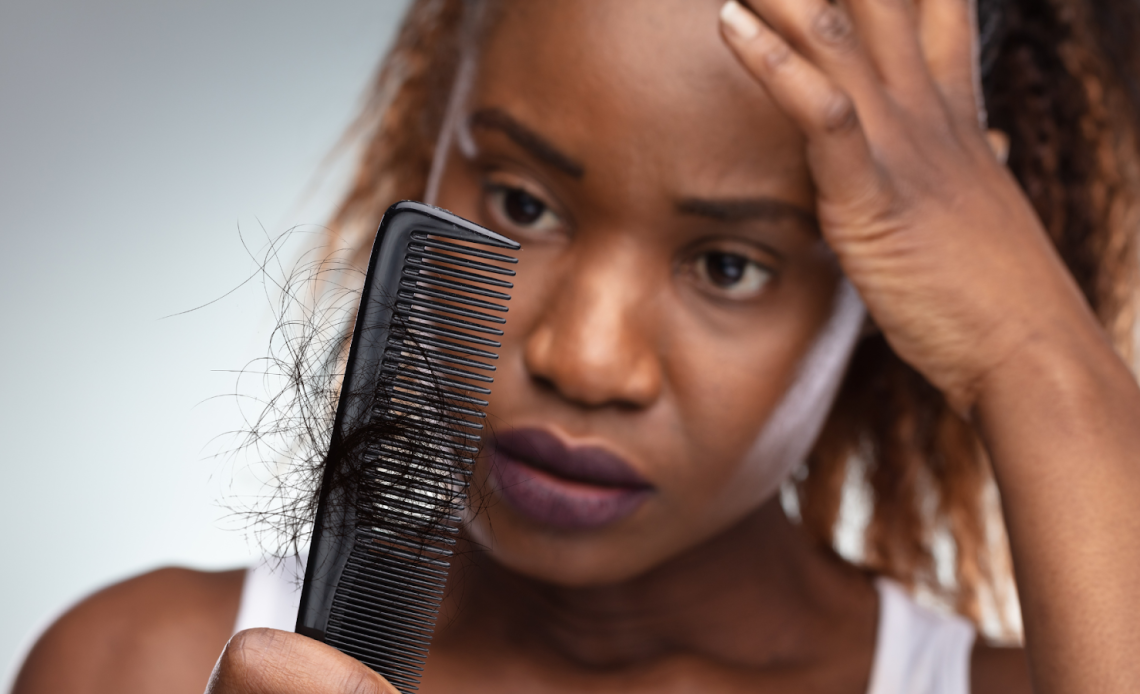
Noticing more hair in the shower drain or on your brush can be alarming. The good news is that hair shedding has many possible causes—some temporary, some treatable, and some that benefit from earlier evaluation. Hair growth happens in cycles (growth, transition, rest, and shedding), so changes in health, hormones, stress, or scalp conditions can shift more hairs into the shedding phase at once.
Below are nine common reasons hair shedding happens, what the pattern often looks like, and when it’s wise to get it checked.
1) Telogen effluvium (stress-triggered shedding)
What it is: A temporary shift where more hairs move into the resting (telogen) phase, leading to diffuse shedding.
Common triggers: Illness, high fever, surgery, major emotional stress, significant weight loss, childbirth, or stopping certain medications.
Typical timing: Shedding often starts 2–3 months after the trigger and can last several months.
What helps: Identifying the trigger, supporting nutrition, and being gentle with hair/scalp care while the cycle normalizes.
2) Androgenetic alopecia (pattern hair loss)
What it is: The most common cause of progressive thinning. In men, it often appears as recession at the temples and thinning at the crown. In women, it often presents as widening of the part and diffuse thinning over the top of the scalp with the hairline generally preserved.
Why it happens: Genetics and sensitivity of follicles to androgens (hormones like DHT).
What helps: Earlier treatment tends to work better than waiting until thinning is advanced.
3) Thyroid imbalance (hypothyroid or hyperthyroid)
What it is: Thyroid hormones influence metabolism and hair cycling. Both underactive and overactive thyroid can contribute to diffuse shedding, texture changes, and thinning.
Clues: Fatigue, weight changes, temperature sensitivity, constipation (hypothyroid) or palpitations and heat intolerance (hyperthyroid), though symptoms vary.
What helps: Correcting the thyroid imbalance often improves shedding over time.
4) Iron deficiency (with or without anemia)
What it is: Low iron stores can affect hair growth, especially in people who menstruate, have dietary restrictions, or have conditions that affect absorption.
Clues: Fatigue, brittle nails, shortness of breath with exertion, or restless legs—though some people have no obvious symptoms.
What helps: Testing iron levels and addressing deficiency with dietary changes and/or supplements under medical guidance.
5) Hormonal shifts (postpartum, perimenopause, menopause)
What it is: Hormonal changes can alter hair density and shedding patterns.
- Postpartum: Many people experience increased shedding a few months after delivery due to hormone shifts and the hair cycle resetting.
- Perimenopause/menopause: Estrogen changes can contribute to thinning, especially on the crown and part line.
What helps: Addressing underlying factors (like iron deficiency) and discussing targeted hair-loss options if thinning persists.
6) Autoimmune hair loss (alopecia areata)
What it is: The immune system attacks hair follicles, often causing smooth, round patches of hair loss. Some people experience more diffuse patterns.
Clues: Sudden patchy loss, sometimes with “exclamation point” hairs at the edges.
What helps: Dermatologic evaluation is important—treatments may help regrowth and reduce progression, especially when started early.
7) Scalp inflammation or infection
What it is: Conditions that inflame the scalp can contribute to shedding and breakage. Examples include seborrheic dermatitis (dandruff), psoriasis, fungal infections, and other inflammatory scalp disorders.
Clues: Itching, burning, flaking, tenderness, redness, or scaly patches.
What helps: Treating the scalp condition often improves hair retention and comfort.
8) Medication-related shedding
What it is: Some medications can trigger shedding, often via telogen effluvium. This can include certain blood pressure medications, anticoagulants, antidepressants, acne medications, and others. Stopping hormonal birth control can also trigger temporary shedding for some people.
What helps: Never stop a prescribed medication without guidance. If you suspect a link, discuss alternatives or timing with a clinician.
9) Traction, heat, and chemical damage (breakage that looks like shedding)
What it is: Tight hairstyles (ponytails, braids, extensions), frequent heat styling, bleaching, and harsh chemical treatments can cause hair breakage—or traction alopecia from chronic pulling.
Clues: Shorter broken hairs, thinning along the hairline/temples, scalp tenderness, or “frizz” that’s actually breakage.
What helps: Loosening hairstyles, reducing heat/chemical stress, and allowing time for recovery. Early traction changes can be reversible; long-term traction can lead to permanent loss.
When it’s time to get evaluated
Consider scheduling a medical dermatology visit if:
- Shedding is sudden, heavy, or lasts longer than 3–6 months
- You see patchy bald spots, scalp pain, redness, or scaling
- Thinning is progressing steadily over time
- You have other symptoms (fatigue, weight changes, menstrual changes)
- You’re unsure whether you’re seeing shedding vs. breakage
A thorough evaluation may include a scalp exam, a review of recent stressors/illnesses/medications, and sometimes lab work to identify correctable contributors like thyroid or iron issues. The earlier you pinpoint the pattern, the sooner you can choose an approach that fits your situation—and stop guessing.
This article is for general educational purposes and isn’t a substitute for medical advice, diagnosis, or treatment.