
Introduction
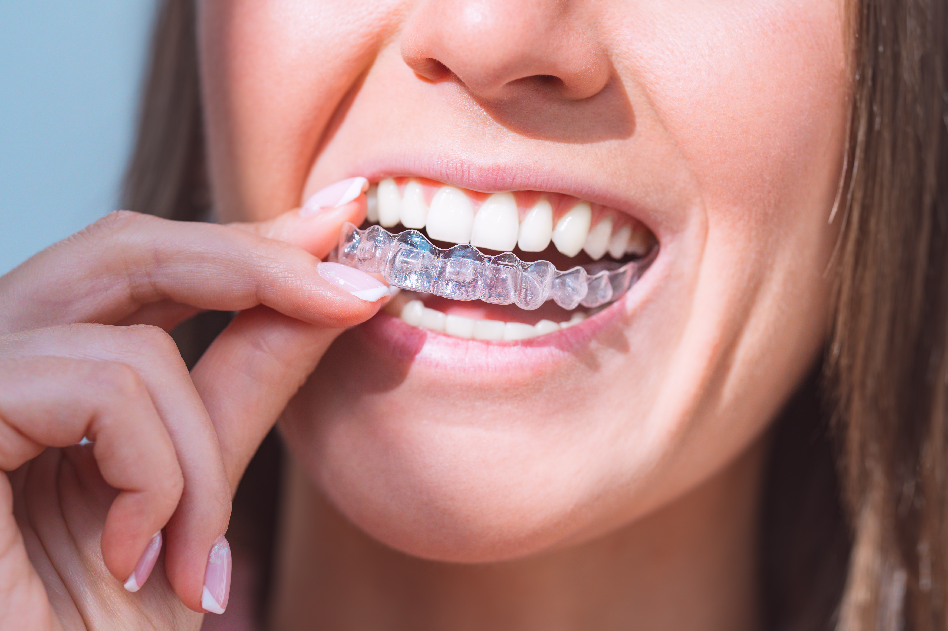
Invisalign is a widely used orthodontic treatment that straightens teeth using clear, removable aligners. Many people choose it because it is discreet, comfortable, and allows for easier oral hygiene compared to traditional braces. While Invisalign offers many benefits, the cost is a common concern. Understanding what influences the price and the potential maximum cost can help patients plan their treatment effectively.
Factors That Affect Invisalign Cost
The total cost of Invisalign depends on several factors. One of the biggest factors is the complexity of the dental issue. Simple cases with minor crowding or spacing require fewer aligners and shorter treatment, which costs less. Many patients exploring orthodontic options also consider Invisalign colorado to compare providers and pricing in their area. On the other hand, severe misalignment, bite issues, or multiple dental problems require longer treatment and more aligners, increasing the cost.
The location of the dental clinic also plays a role. Clinics in major cities or high-demand areas often charge higher fees compared to those in smaller towns. The experience and reputation of the orthodontist can further influence the price. Orthodontists with extensive experience may charge more but provide accurate and efficient treatment.
Typical Maximum Cost
While costs vary widely, the cost of Invisalign treatment typically ranges between $7,000 and $9,000 in complex cases. This usually includes the initial consultation, the full set of custom-made aligners, follow-up visits, and any necessary adjustments throughout the treatment. It is important to note that this is the higher end of the cost spectrum, usually reserved for more severe cases or longer treatment durations.
Payment and Financing Options
Because the maximum cost can be high, many dental clinics offer financing options. Monthly payment plans allow patients to spread the cost over time, making treatment more manageable. Breaking the total cost into smaller payments can make Invisalign more accessible, even for those without insurance coverage. Some patients may also check if their insurance provides partial orthodontic coverage, which can help reduce the out-of-pocket expense.
Other Considerations
Before beginning treatment, it is essential to have a full dental checkup. Any existing issues, such as cavities or gum problems, should be addressed first. Good oral hygiene is critical during Invisalign treatment because aligners are removed during meals, and food particles can lead to dental Issues if not cleaned properly. Patients also need to wear their aligners for the recommended 20–22 hours a day to achieve the best results.
Conclusion
Invisalign is an effective and convenient solution for straightening teeth. While the maximum cost can be significant, understanding the factors that influence pricing, exploring financing options, and committing to proper dental care can help patients achieve a healthy, straight smile. Planning financially ensures that treatment is manageable and successful, giving patients confidence in both their dental health and their appearance.