
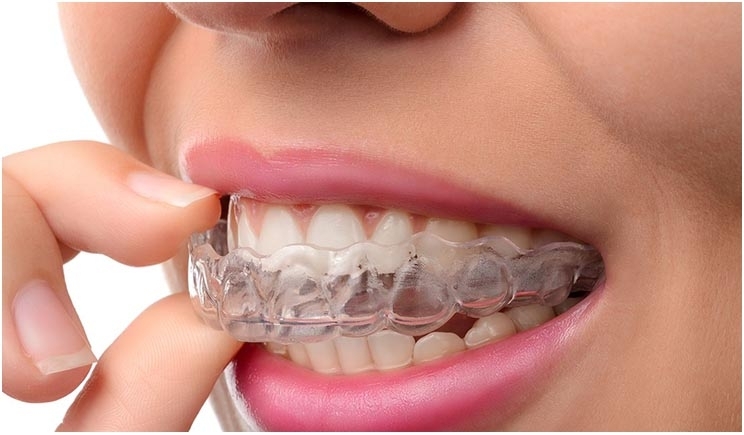
The Appeal of a Confident Smile
A beautiful smile is a strong reflection of confidence, health, and personality. With advancements in orthodontics, achieving straight and healthy teeth has become easier than ever. Modern treatments such as clear aligner therapy allow patients of all ages to improve their smiles without the discomfort and visibility of traditional braces.
In today’s competitive world, dental appearance plays an important role in social interactions and professional opportunities. A well-aligned smile enhances both aesthetic appeal and oral function, making orthodontic care a valuable investment. Because of this, many people begin to ask how much is Invisalign and whether it fits within their budget before starting treatment.
Why Choose Clear Aligner Therapy (CAT)?
Clear aligner therapy, widely known as Invisalign, is a modern alternative to traditional metal braces. It uses custom-made, transparent trays that gradually move teeth into proper alignment. These nearly invisible aligners offer an effective, comfortable, and discreet orthodontic solution for patients of all ages.
Key benefits of clear aligners include:
- Discreet and natural appearance
- Removable trays for eating and brushing
- Greater comfort compared to metal braces
- Suitable for adults and teenagers
Due to these advantages, Invisalign has become a preferred orthodontic solution worldwide.
Average Cost of Invisalign in the United States
The average cost of Invisalign treatment in 2025 typically ranges from $3,000 to $9,000, depending on the patient’s specific orthodontic needs. In cases involving severe misalignment or complex bite issues, the cost may increase to around $10,000, which is comparable to the pricing of traditional metal braces.
Factors influencing the cost of Invisalign include:
- Severity of teeth misalignment
- Length of orthodontic treatment
- Geographic location
- Type of dental insurance
- Experience of the orthodontic provider
Invisalign treatment costs are generally higher in urban areas because of increased operational expenses such as rent and staffing. In contrast, rural clinics often have lower overhead costs, which may result in more affordable pricing for clear aligner therapy without compromising treatment quality.
Insurance Coverage and Payment Options
Many dental insurance plans provide partial coverage for orthodontic treatments such as clear aligner therapy. Typically, insurance covers around 20% to 30% of the total Invisalign cost, depending on the plan. Coverage is often limited by annual or lifetime maximum benefits set by the insurer.
For patients without insurance, most orthodontic clinics provide flexible payment solutions, such as:
- Interest-free monthly installment plans
- Low or adjustable down payments
- Payments through HSA or FSA accounts
These options help make Invisalign treatment more accessible.
Invisalign vs. Traditional Braces
Although Invisalign can be slightly more expensive than traditional metal braces, many patients choose clear aligners because of the comfort and convenience they provide. The removable trays allow unrestricted eating and make brushing and flossing easier, helping patients maintain better oral hygiene throughout treatment.
Additionally, Invisalign aligners are nearly invisible, which boosts confidence during daily interactions. They apply gentler, more controlled pressure compared to metal braces, reducing discomfort while still delivering effective and reliable orthodontic results.