
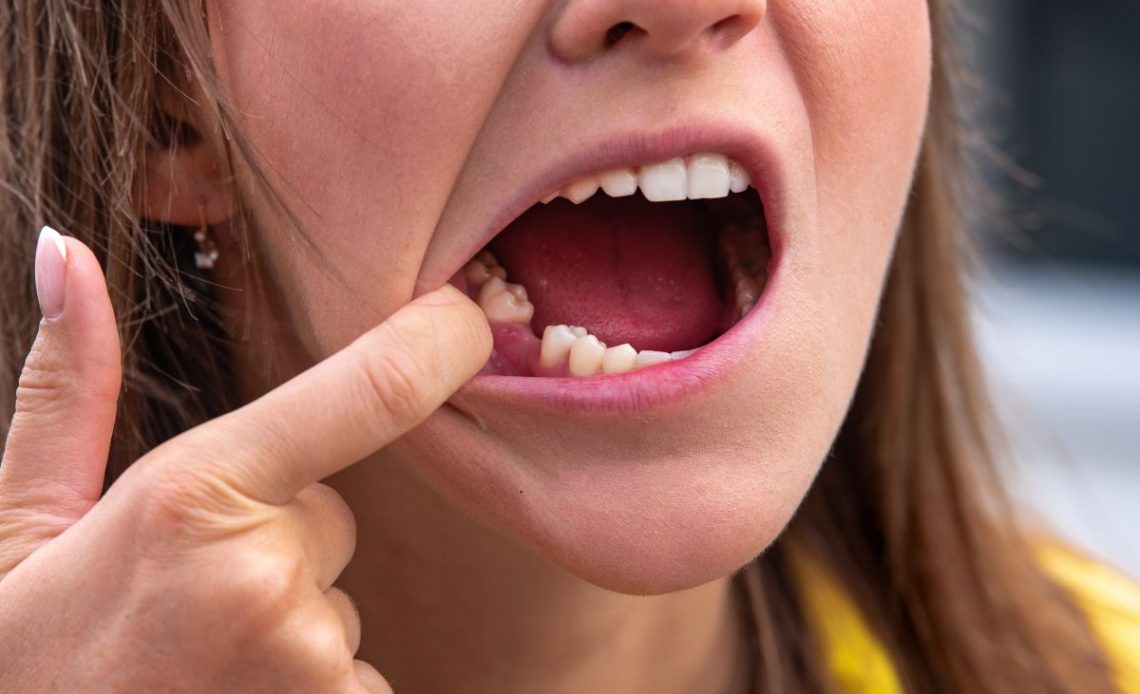
Chipped Tooth
A chipped tooth happens when part of the enamel breaks due to trauma, biting hard foods, or accidents. Many patients exploring orthodontic options also consider how much invisalign cost when planning their dental treatments. Treatment may include dental repair or cosmetic procedures to protect and restore your smile.
A chipped tooth means part of the enamel, the hard outer layer protecting the inner tooth tissue, has broken. While enamel is strong, it can fracture under stress from injuries, hard foods, or accidents. Minor chips may be primarily cosmetic, but severe chips exposing sensitive tissue require prompt dental care.
Chipped Tooth vs. Cracked Tooth
It’s important to distinguish between a chipped tooth and a cracked tooth:
- Chipped Tooth: Only a small piece of enamel breaks off.
- Cracked Tooth: A fracture extends through the tooth, potentially reaching the inner layers.
Both require evaluation by a dentist to determine proper treatment.
Symptoms and Causes
Symptoms:
- Visible missing tooth fragment
- Rough or jagged edge along the enamel
- Discomfort or sensitivity when eating or drinking hot, cold, or sugary foods
- Pain if the nerve is exposed
Causes:
- Trauma or injury: Accidents, falls, or sports-related impacts
- Biting hard objects or foods: Ice, hard candy, apples, or nails
- Teeth grinding (bruxism): Excessive pressure weakens enamel
- Using teeth to open packages
Risk Factors:
- Tooth decay or cavities
- Excessive consumption of acidic or sugary foods
- GERD (acid reflux damaging enamel)
- Previous dental work, such as large fillings
- Age-related enamel wear
- History of teeth grinding
Complications
Minor chips usually don’t cause problems, but severe chips can expose sensitive tissue to bacteria, leading to tooth infection or further damage.
Diagnosis
Dentists examine the tooth visually and may take X-rays to determine the extent of the chip and any hidden damage.
Treatment Options
The approach to repair varies based on the chip’s size and position
- Polishing: Smooths minor chips for aesthetic purposes
- Bonding: Fills in chips with composite resin
- Veneers: Covers more extensive cosmetic damage on front teeth
- Crowns: Protects and restores severely damaged teeth
- Fillings: Repairs back teeth with chipped surfaces
- Root Canal: Required if nerves are exposed, often followed by a crown
Prevention
While not all chips can be prevented, these measures reduce the risk:
Caring for a Chipped Tooth
If you chip a tooth:
- Save the fragment in milk if possible for reattachment
- Protect the area with dental wax or a temporary cover
- Continue brushing and flossing carefully
- Eat soft foods and avoid chewing with the chipped tooth
- Take OTC pain medication if needed
- Schedule a dental appointment promptly
Questions to Ask Your Dentist
Proper evaluation by a dentist ensures that your chipped tooth is treated safely, restoring both function and appearance