
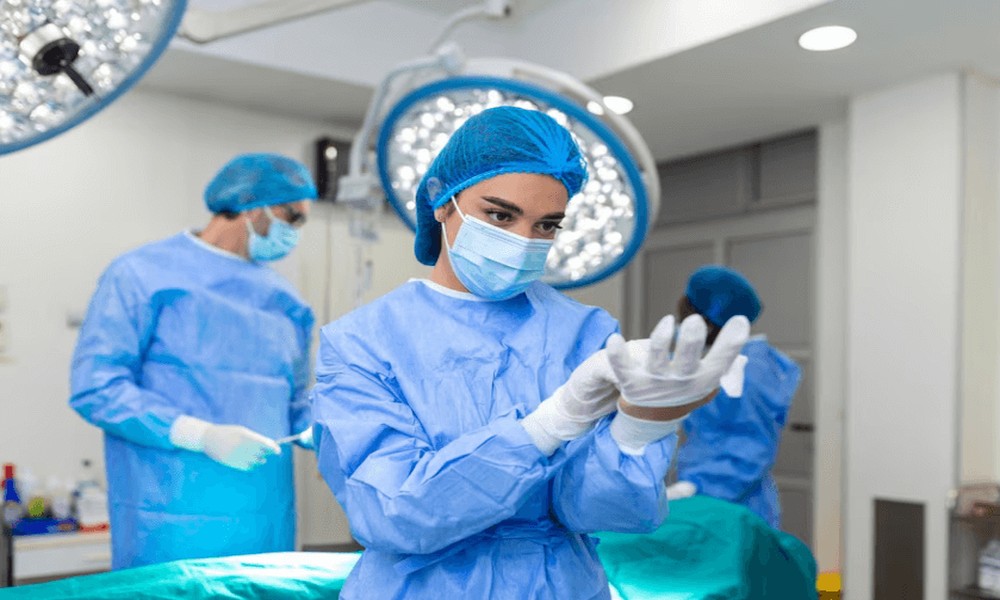
A hospital can be a place of healing, but it also carries invisible risks. Every surface, tool, and device that comes into contact with patients has the potential to transfer harmful microorganisms if not handled properly. That’s why infection control isn’t just a routine checklist it’s a critical part of patient safety. Among the many layers of protection, equipment hygiene plays a central role in preventing the spread of infections within healthcare settings.
From surgical tools to diagnostic devices, maintaining cleanliness requires more than a quick wipe-down. It involves carefully designed processes, trained staff, and strict adherence to protocols. In many clinical environments, systems such as Sterilization Containers are incorporated into workflows to help maintain the sterility of instruments from the moment they are cleaned to the point they are used.
Key Takeaways
- Equipment hygiene is a cornerstone of infection control in healthcare
- Proper cleaning, disinfection, and sterilization prevent cross-contamination
- Standardized protocols ensure consistency and safety
- Healthcare-associated infections can be reduced through strict hygiene practices
- Staff training and monitoring are essential for effective infection control
Why Equipment Hygiene Matters More Than It Seems
It’s easy to assume that infections mainly spread through direct contact between people. While that’s true, contaminated equipment is another major pathway. Instruments used on one patient can carry microorganisms to another if they aren’t properly cleaned and sterilized.
This is especially important in high-risk areas such as operating rooms, intensive care units, and emergency departments. Patients in these settings often have weakened immune systems, making them more vulnerable to infections that might otherwise be harmless.
The Three-Step Approach to Clean Equipment
Maintaining hygiene isn’t a single action, it’s a sequence of steps that must be followed carefully. The process generally includes cleaning, disinfection, and sterilization.
Cleaning is the first and most basic step. It involves removing visible debris like blood or tissue from equipment. Without proper cleaning, the next steps become less effective because microorganisms can hide under residues.
Disinfection comes next and targets many types of bacteria and viruses. However, it doesn’t eliminate all microorganisms, especially certain spores that are more resistant.
Sterilization is the final step, designed to destroy all forms of microbial life. This is particularly important for surgical instruments and devices that enter sterile areas of the body.
Standard Protocols Keep Things Consistent
Healthcare facilities rely on standardized protocols to ensure that every piece of equipment is treated the same way, every time. These protocols are based on guidelines from health authorities and are regularly updated to reflect new research.
Staff members are trained to follow these procedures precisely, from how instruments are handled after use to how they are stored before the next procedure. Even small deviations can increase the risk of contamination, which is why consistency is so important.
The Human Factor in Infection Control
Even with the best systems in place, infection control ultimately depends on people. Healthcare workers play a key role in maintaining hygiene standards. This includes proper hand hygiene, correct use of personal protective equipment (PPE), and careful handling of medical tools.
Ongoing training and monitoring help reinforce these practices. Many hospitals conduct regular audits to ensure that protocols are being followed and to identify areas for improvement.
Reducing Healthcare-Associated Infections
Healthcare-associated infections (HAIs) are a major concern worldwide. These infections can develop during a hospital stay and often lead to longer recovery times, additional treatments, and increased healthcare costs.
Improving equipment hygiene is one of the most effective ways to reduce HAIs. When instruments are properly cleaned and sterilized, the chances of transmitting infections drop significantly. This not only protects patients but also supports healthcare workers by creating a safer environment.
Technology and Innovation in Hygiene Practices
Advancements in technology are helping healthcare facilities improve infection control. Automated sterilization systems, tracking tools, and improved materials are making it easier to maintain high standards of cleanliness.
For example, some systems now allow staff to track the sterilization status of each instrument, reducing the risk of using equipment that hasn’t been properly processed. These innovations add an extra layer of safety to existing protocols.
Building a Culture of Safety
Infection control is not just about rules, it’s about mindset. When healthcare teams prioritize hygiene as part of everyday practice, it becomes a shared responsibility rather than an isolated task.
Creating this culture involves clear communication, accountability, and continuous improvement. When everyone understands the importance of their role, the entire system becomes more effective.
A Quiet but Powerful Defense
Equipment hygiene may not always be visible to patients, but its impact is profound. Behind every successful procedure is a series of careful steps designed to keep infections at bay.
By maintaining strict hygiene standards, healthcare facilities can protect patients, improve outcomes, and build trust. It’s a quiet process, often happening behind the scenes, but it remains one of the most powerful defenses in modern medicine.